Things to know about Casablanca: Casablanca immediately thrills the senses. Whether glimpsed from the window of a plane or the deck of a cruise ship, its expansive skyline stretches endlessly, drawing you in with a magnetic charm. As you explore its streets, squares, and vibrant neighborhoods, the city reveals itself as a dynamic blend of tradition and modernity. There’s truly so much to discover about Casablanca.
CASABLANCA: A Stunning Cosmopolitan City
Casablanca is a city of striking contrasts—historic yet modern, relaxed yet bustling. It serves as Morocco’s financial, industrial, and commercial capital and is the largest city in the country, with a population exceeding 3.6 million. Second only to Rabat in administrative significance, Casablanca hosts major international businesses and boasts North Africa’s largest port, a vital hub for global trade.
Each of Casablanca’s eight administrative districts offers a unique character. To the west lies Anfa, a peaceful and upscale residential area home to many of the city’s wealthiest residents. Near the center is the buzzing downtown core, where Place des Nations Unies, the old Medina, Mers Sultan, and Ben Slimane meet. To the northeast lies the industrial district of Sidi Belyout. South of downtown is the Quartier des Habous—built in the 1930s by the French in imitation of Moroccan styles—a symbol of Casablanca’s unique architectural fusion.
From its beginnings as a small Berber settlement in the 7th century, Casablanca has evolved into one of Africa’s most cosmopolitan cities.
CASABLANCA: Where Modernity Meets HeritageContents
Casablanca’s skyline features soaring business towers and iconic mosques, while its neighborhoods range from sleek Neo-Moorish homes to dense, working-class quarters. One standout is the Jewish Museum—believed to be the only one of its kind in the Islamic world—underscoring the city’s cultural diversity.
This dynamic city also boasts luxury hotels, chic restaurants, elegant palm-lined boulevards, and beach resorts like Ain Diab. Expansive parks and charming lanes add a layer of serenity to the urban energy. All of this is enjoyed under a mild Mediterranean climate: warm summers, pleasant winters, and little seasonal variation.
Things to Know About Casablanca: A Journey Through TimeContents
The name “Casablanca” evolved from the Portuguese “Branca” (white), later Hispanicized to “Blanca” during the 16th and 17th centuries. The city rose to prominence in the 18th century under Sultan Mohamed ibn Abdallah, becoming a key trading post for wool, tea, sugar, and grains. Though an earthquake in 1755 temporarily slowed its development, Casablanca continued its upward trajectory.
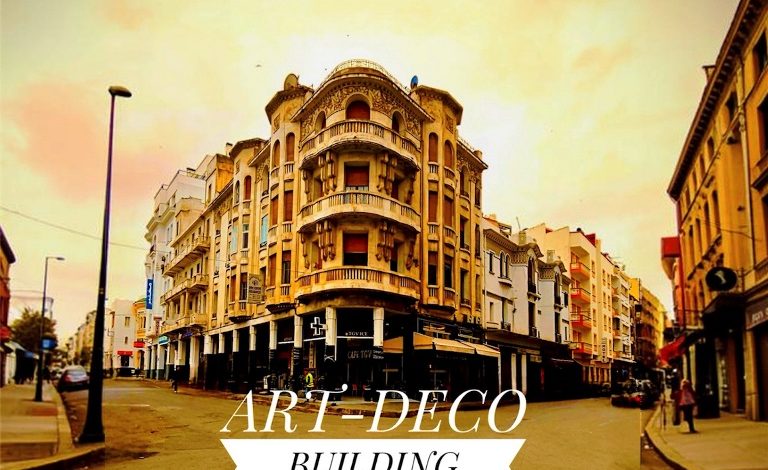
Its current urban layout and architecture owe much to the French protectorate of the 20th century. General Hubert Lyautey, the first French resident-governor, envisioned Casablanca as the financial heart of Morocco. Starting in 1912, he commissioned architects and builders to redesign the city, blending Art Deco with Moorish influences. The result is a unique architectural legacy and one of the finest examples of colonial urban planning worldwide.
Casablanca’s Coastal Charm and Nearby AttractionsContents
Located along a picturesque stretch of the Atlantic coast, Casablanca is surrounded by pristine beaches, charming fishing ports, and ancient kasbahs. Inland, vineyards and citrus orchards sprawl toward the Middle Atlas Mountains.
The city enjoys a temperate climate, softened in summer by Atlantic breezes and warmed in winter by the sun. Its coastline is dotted with resorts offering golf, windsurfing, sailing, surfing, and sunbathing. Ancient coastal towns and modern developments both compete for travelers’ attention.
Discover Casablanca’s Art Deco HeritageContents
Art Deco, a popular design style from the 1920s to 1940s, left a lasting imprint on Casablanca. Known for its bold geometric forms, the Art Deco movement merged in Casablanca with Moorish aesthetics. The result? Lavish buildings adorned with intricate zellij tilework, stucco flowers and swirls, ornate balconies, arches, and domes.
This blend of Art Deco and Moroccan motifs gives the city its visually striking identity and makes strolling through its streets an architectural delight.
The Beating Heart of CasablancaContents
Casablanca’s soul lies in its central squares—Place des Nations Unies and Place Mohamed V, linked by wide, lively boulevards. Once a modest market, Place des Nations Unies was transformed in the 1920s into a fashionable district filled with arcades, cafes, and hotels. In contrast, Place Mohamed V serves as the city’s administrative and business hub, surrounded by grand government buildings and lively commercial zones.
A Must-See: The Hassan II MosqueContents
No visit to Casablanca is complete without seeing the Hassan II Mosque—the fifth largest mosque in the world. Built atop a promontory overlooking the Atlantic, this architectural marvel was designed by French architect Michel Pinseau and constructed by more than 3,000 Moroccan artisans.
Its most iconic feature is the towering 210-meter (689-foot) minaret, the tallest in the world. While non-Muslims cannot enter freely, guided tours are available and highly recommended for their insight into this breathtaking monument.
Explore Casablanca: A City of Endless DiscoveryContents
From stunning architecture and a rich cultural history to luxury shopping and serene beaches, Casablanca is a city that never ceases to inspire. Whether you’re wandering through its Art Deco streets, relaxing along the coast, or marveling at its landmarks, every corner tells a story.
Embark on a journey through Casablanca and uncover the many layers of this extraordinary metropolis.